How Long Do Tesla Model Y Tires Last in Redwood City?
By Redwood General Tire Pros • February 16, 2026

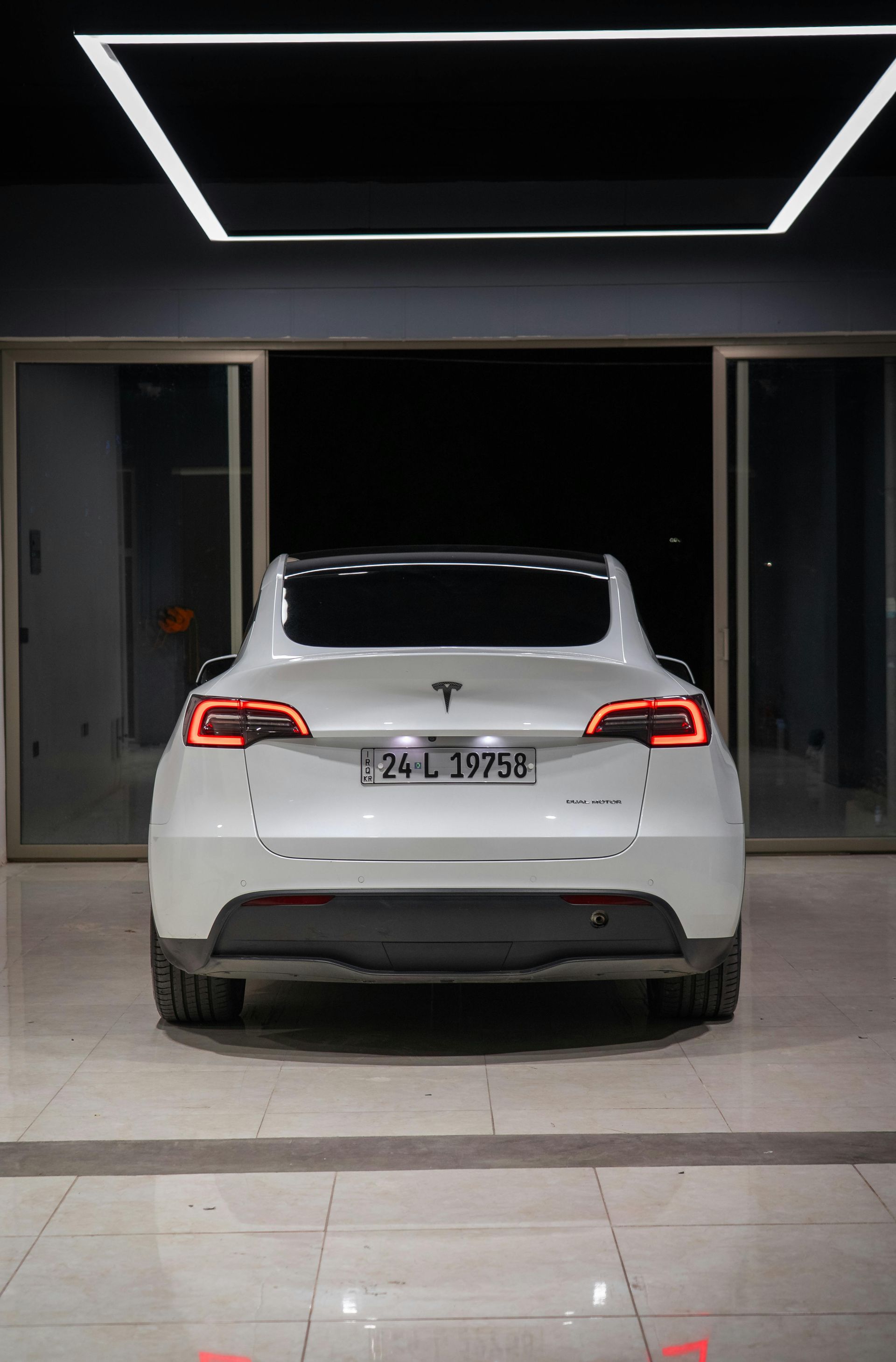
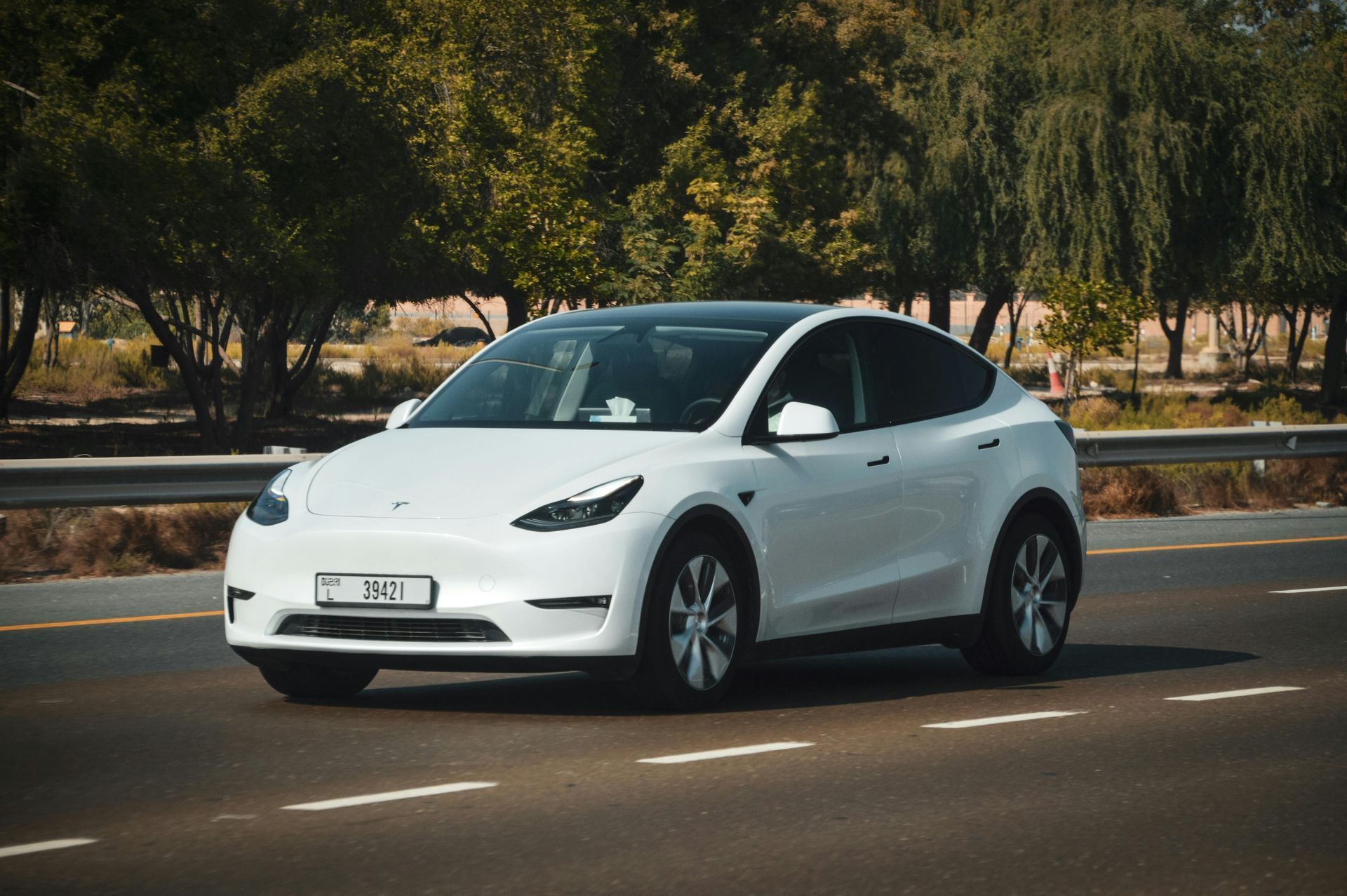
If you drive a Tesla Model Y around Redwood City, you’ve probably noticed two things: the car is incredibly smooth, and it can be incredibly quick. That instant acceleration is fun—but it also changes how quickly your tires wear down. So the big question we hear from local drivers is: how long do Tesla Model Y tires last in Redwood City?
In this guide, we’ll walk through realistic tread-life expectations, the Bay Area factors that shorten tire life, and the simple habits that can help you get more miles out of your tires. If you’re already seeing uneven wear or a TPMS light, you can schedule an appointment for a quick inspection and tire check.
1. The Typical Lifespan of Tesla Model Y Tires (Real-World Range)
Most Tesla Model Y tires last about 25,000 to 40,000 miles in real-world driving. That’s a practical range we often see for Peninsula commutes—especially if you’re mixing Highway 101, 280, and plenty of stop-and-go traffic around Redwood City, Menlo Park, and Palo Alto.
That range can shift depending on your wheel and tire setup. Performance-oriented tires and larger wheel packages often trade tread life for grip and handling. Touring and all-season options typically last longer, especially when rotations and alignments are kept up on schedule.
It’s also normal for Model Y tires to wear a bit faster than some gas SUVs. EVs place different loads on the tire, and the way the car delivers power can accelerate wear. If you’ve ever looked at your tires and thought, “Wait—already?”, you’re not imagining it.
Local takeaway: If you want the best chance at hitting the upper end of that range, prioritize regular tire rotation , keep pressures correct, and address alignment issues early.
2. Why Model Y Tires Can Wear Faster Than You Expect
Tesla Model Y tires often wear faster for a few EV-specific reasons. The first is weight: battery packs add significant mass, and that extra load increases friction and heat at the tread. Over time, that friction translates to faster tread loss—especially on warm Bay Area pavement.
Second is torque. EVs deliver power immediately, and quick acceleration puts extra stress on the tread blocks. Even if you’re not racing, those frequent “zip” moments—merging onto 101, passing on 280, or popping through a short green light—add up.
Third is wear pattern. Because traction and torque can be distributed differently, you may see uneven wear if rotations aren’t consistent. Many Model Y owners notice the rear tires wearing faster, which is exactly why rotation intervals matter.
Have you ever felt the car pulling slightly or noticed the steering wheel isn’t perfectly centered? That can be a sign the tires aren’t meeting the road evenly—and that’s often a clue to check alignment.
3. Redwood City Driving Conditions That Affect Tire Life
Where you drive matters nearly as much as how you drive. In Redwood City and the surrounding Peninsula, it’s common to combine short trips, school drop-offs, and freeway commuting. Short trips can mean more acceleration cycles and more heat build-up—two ingredients that speed up tread wear.
Summer heat is another factor. Hot pavement increases tire temperature, and high temperatures can accelerate wear—especially if pressure is low. In the warmest months, we often see more shoulder wear and faster tread loss when tires aren’t inflated to the correct spec.
Winter rain changes the equation too. Wet roads increase the importance of tread depth for traction and braking. A tire with low tread might still “feel fine” in dry conditions, but it can lose confidence quickly when the first storms hit.
If you frequently drive into San Mateo, Belmont, San Carlos, or up toward Woodside hills, the extra cornering and grade changes can also contribute to uneven wear. The good news is that a few maintenance steps can make a meaningful difference.
4. Signs It’s Time to Replace Your Tesla Model Y Tires
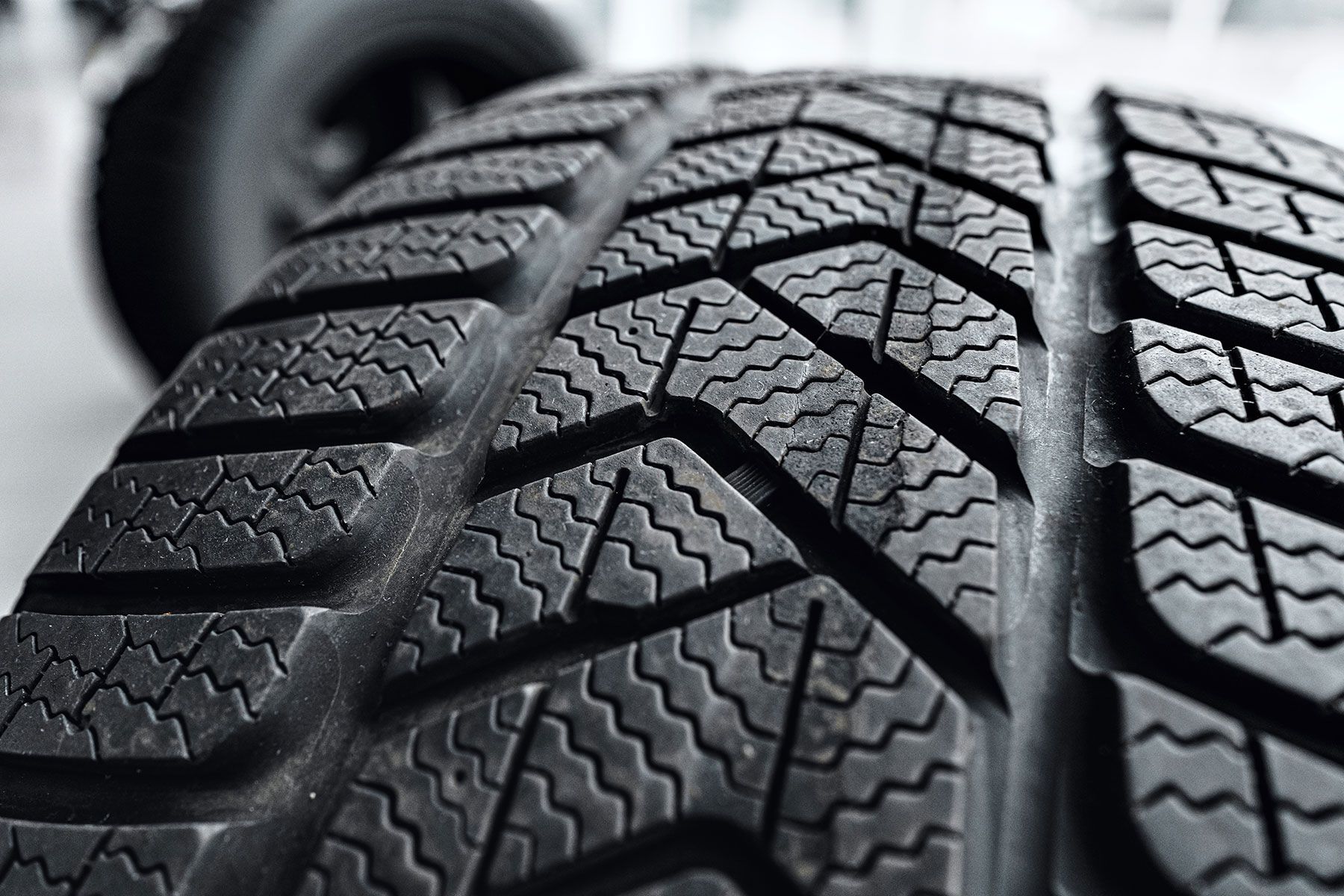
The simplest way to judge tire life is tread depth. Many drivers wait until 2/32” (the legal minimum), but for safety in wet conditions, we recommend paying close attention once you’re at 4/32” . That’s often where hydroplaning resistance starts to drop noticeably on rainy Bay Area roads.
Uneven wear is another big sign—especially inner-edge wear, shoulder wear, or a “feathered” feel when you run your hand along the tread. Uneven wear usually means the tire isn’t meeting the road evenly, and that can be caused by alignment, worn suspension components, or skipped rotations.
Also watch for vibration at highway speeds, longer stopping distances, or a TPMS warning light. TPMS alerts don’t always mean you need a new tire, but they do mean you should take pressure seriously—because underinflation increases heat and accelerates wear.
If you’d like a quick local check, our team can inspect tread, wear patterns, and pressure, then recommend the best next step—whether that’s rotation, alignment, repair, or tire installation.
5. How to Make Your Model Y Tires Last Longer
Rotate regularly. A consistent rotation schedule is one of the best ways to extend tread life and prevent uneven wear. For many Tesla Model Y drivers, rotating every 5,000–7,500 miles is a smart interval. You can learn more—or book service—on our tire rotation page.
Maintain proper tire pressure. Tesla’s TPMS system is helpful, but it’s still important to check pressure manually, especially with temperature swings. Correct pressure helps the tire wear evenly across the tread and can improve ride comfort and efficiency. If you’re getting frequent warnings or want a sensor check, visit our TPMS service page.
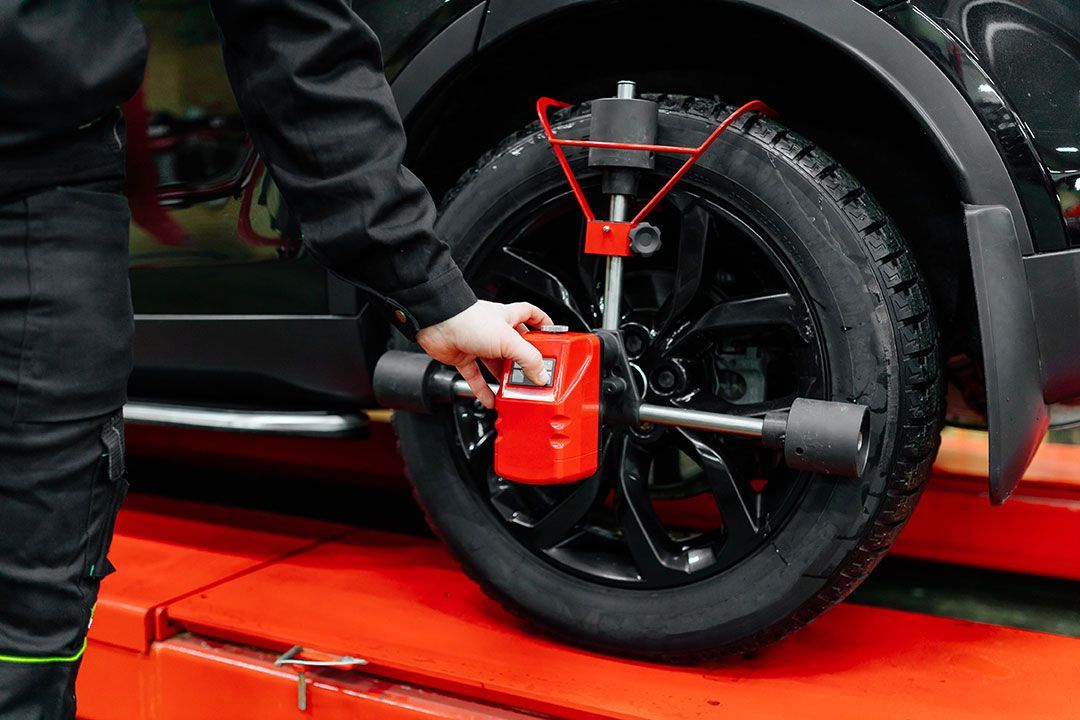
Get alignments when wear looks off. If your tires show inside-edge wear or the car drifts, alignment may be the missing piece. A small alignment issue can quietly shave thousands of miles off tire life. Fixing it early is often far cheaper than replacing tires early.
Drive with longevity in mind. You don’t have to give up Tesla acceleration entirely—but smoother starts, gentler cornering, and avoiding hard braking can all add up over the life of a tire. The question to ask yourself is: do you want maximum grip, or maximum tread life? We can help you choose the right balance.
6. Best Tire Types for Tesla Model Y Drivers in the Bay Area
Not all Model Y tires are built the same. Some focus on quiet comfort and long tread life, while others emphasize handling and braking. EV-specific tires can also reduce road noise and improve efficiency through lower rolling resistance.
All-season touring tires are a popular match for Redwood City commuters because they balance comfort, rain traction, and lifespan. Performance tires deliver sharp handling but generally wear faster. Your wheel size (19”, 20”, or 21”) also plays a role in ride feel, cost, and tread-life expectations.
Because our area includes both warm pavement and wet winter stretches, it’s important to choose a tire that performs confidently in the rain. If you’re not sure what’s best for your driving style, we can review your current tire specs and recommend options that fit your priorities.
7. Tesla Model Y Tire Replacement Cost in Redwood City
In most cases, a full set of Tesla Model Y tires in the Redwood City area ranges from $1,200 to $2,000 . The final cost depends on tire size, brand, performance vs. touring options, and whether you’re choosing EV-focused designs.
Installation details matter too. Proper mounting, balancing, and ensuring correct pressure are essential for a smooth ride and even wear. If you’re replacing tires because of uneven wear, it’s also wise to check alignment so the new set lasts as long as possible.
When you’re ready, you can book an appointment and we’ll help you choose the best tire option for your budget and driving needs.
FAQs: Tesla Model Y Tire Wear
- Do Tesla Model Y tires wear out faster than normal cars? Often, yes. EV weight and instant torque can accelerate tread wear compared to many gas vehicles.
- How long do factory Model Y tires last? Many drivers see about 25,000–35,000 miles, depending on tire type and driving habits.
- Can I use regular tires on a Model Y? Yes, but EV-focused tires may provide quieter driving and better efficiency while supporting the vehicle’s load requirements.
- How often should I rotate my tires? A common recommendation is every 5,000–7,500 miles. Consistent rotations help prevent uneven wear.
- What if my Model Y is a hybrid or I also service a hybrid vehicle? We also support hybrid maintenance—see our hybrid car maintenance page for details.
Ready for a Tesla Tire Inspection in Redwood City?
Tesla tires are a big part of your safety, comfort, and efficiency. If you’re unsure how much tread you have left—or you want a second opinion on wear patterns—our team at Redwood General Tire Pros is here to help.
Next step: Schedule an appointment for a Tesla Model Y tire inspection, rotation, TPMS check, or tire replacement consultation in Redwood City.